
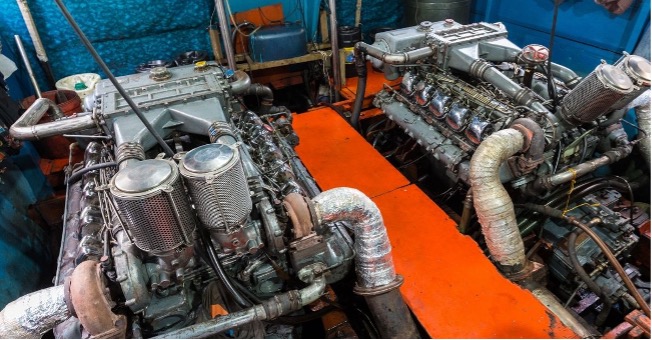
Whether you’re a private yacht owner, or work on a commercial cruise liner, it’s of paramount importance that you ensure you’re looking after your vessel with proper fuel care. Without it, commercial vessels could face down time, and private owners could be subjected to costly corrosion within their engine.
Engines on land and offshore both need clean and stable fuel to perform at their best. Yet contamination, soot deposits, and low lubricity remain persistent challenges across offshore fleets of all sizes.
More than a maintenance checkbox, fuel care is a strategic investment. Cleaner fuel improves combustion, protects engine components, and reduces overall operating costs. Simply by integrating the correct additives and purification solutions to your ship’s fuel, you could significantly extend your equipment’s lifespan.
Common Vessel Fuel Challenges
Marine vessels undoubtedly operate in harsh conditions, which makes them particularly vulnerable to corrosion, soot build-up and inefficient engine combustion.
Water, acidic components, and microbial growth can all contribute to corrosion of your engine’s parts (such as injectors and fuel pumps). If this does occur, then it could lead to premature wear of your components and be costly to fix.

Furthermore, inefficient or incomplete combustion can lead to both soot build-up and higher fuel consumption. Soot in larger quantities can become quite dangerous as it increases the risk of hotspots and blockages within your vessel’s engine.
Not only could this result in costly repairs, but you could face regulatory non-compliance related to emissions and waste handling.
Different Types of Fuel Care
Soot Removers for Exhaust Systems
Soot formation is an unavoidable by-product of marine boilers and diesel exhaust systems. Over time, deposits harden, restrict flow, and diminish heat exchanger efficiency.
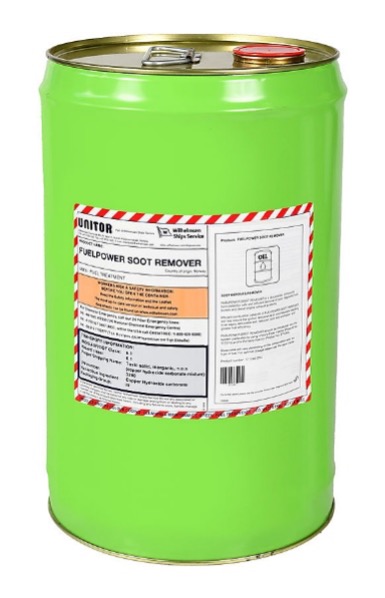
Unitor Fuelpower Soot Remover Powder modifies the soot’s structure to make it lighter and easier to expel. As a result, you’ll benefit from more efficient heat transfer and an extended lifespan of your boiler and exhaust components compared to without.
Lubricity Additives for Engine Protection
With the roll-out of low-sulphur marine fuels, natural lubrication levels have dropped significantly. Low lubricity increases metal-to-metal contact within injectors and fuel pumps, accelerating wear.
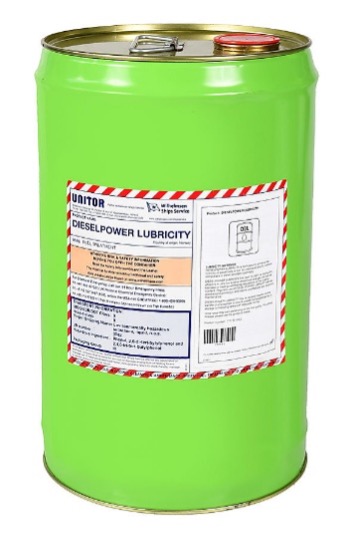
Additives like Unitor Dieselpower Lubricity can be safely used in all types of fuel and protects your fuel pump from wear to avoid unscheduled and expensive maintenance.
Fuel Purification Tools
Even well-stored marine fuels can carry water, sludge, and particulate contamination, meaning that effective purification is essential.
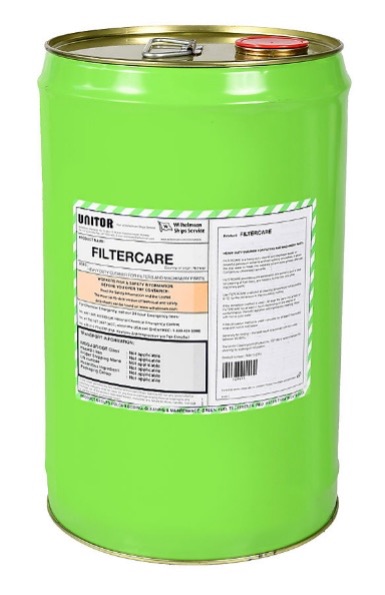
Unitor Filtercare provides quick penetration and solvency and is ideal for cleaning of fuel filters, pre-heaters, burner tips and other machinery parts. It is used for particle and water removal without using any chlorinated components.
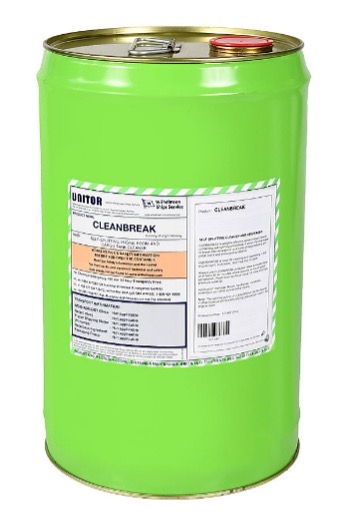
Unitor Cleanbreak separates stubborn emulsified oil-water mixtures and breaks the slop water into separate oil and water phases.
Using these two purification tools together will leave you with cleaner, more stable fuel that has improved efficiency and fewer unexpected stoppages.
Cleaner Fuel Means Less Downtime
Clean fuel has a direct, measurable impact on your vessel being operational and its long-term costs.
When contaminants are removed, combustion quality improves. As a result, service intervals are extended because there’s less wear on engineer components, total cost of ownership drops because you’re saving on frequent costly repairs, and regulatory compliance around emissions and waste management becomes much easier.

To ensure you’re keeping your vessel in the best possible condition, it’s important to use a combination of fuel care products to target different issues. By combining soot removers, lubricity additives, and scheduled filtration and purification tools, you’re creating predictable maintenance cycles and minimising the risk of unscheduled issues arising.
It’s also important to continuously check exhaust temperature and injector performance to show any issues before they arise.
Fuel Care Tips for Shipowners & Engineers
To ensure you’re gaining the desired results from proper fuel care, you need to make sure that you’re following the manufacturer’s guidelines to ensure best performance.
Furthermore, watch fuel quality regularly to look for any sediment or changes, and make sure you are documenting these checks as well as your fuel treatment routines to support audits and compliance.

Finally, identify any issues with the engine or exhaust indicators early, such as rising temperatures. Noting and fixing any issues early on will typically be a lot less costly than waiting until it becomes an emergency.
Optimising Your Vessel’s Performance
Effective fuel care is one of the most reliable ways to reduce operational disruption in marine environments. A solid fuel care routine that incorporates soot removers, lubricity enhancers, and purification tools can be the most effective way prevent premature failures and unexpected downtime.
For teams wanting to benefit from long-term cost savings across their fleet through proper fuel care, Offshore Supply provides fast delivery, expert support, and access to the full Unitor range.